中文简体
中文简体



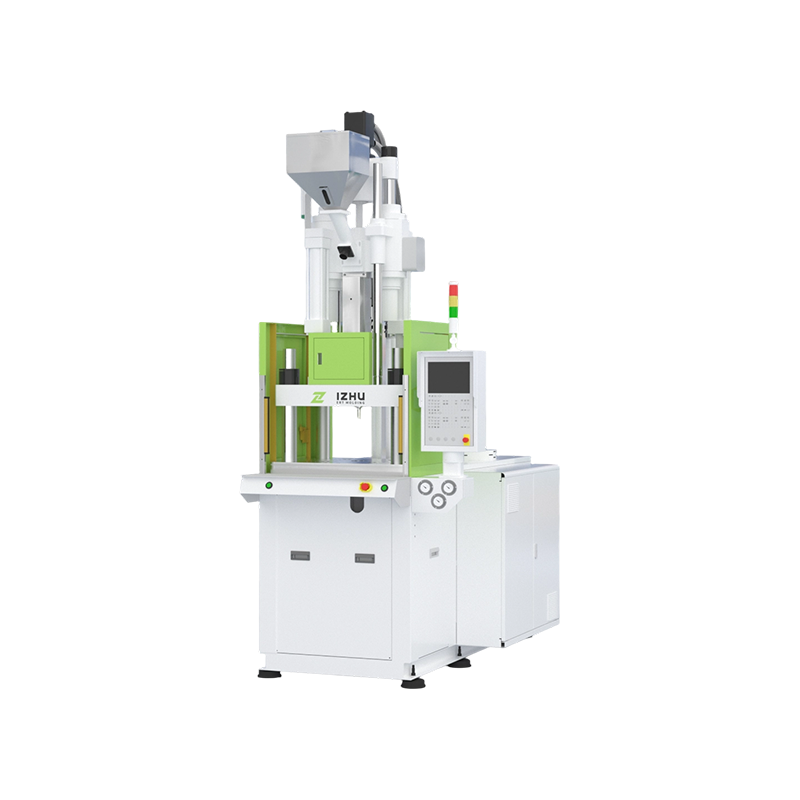
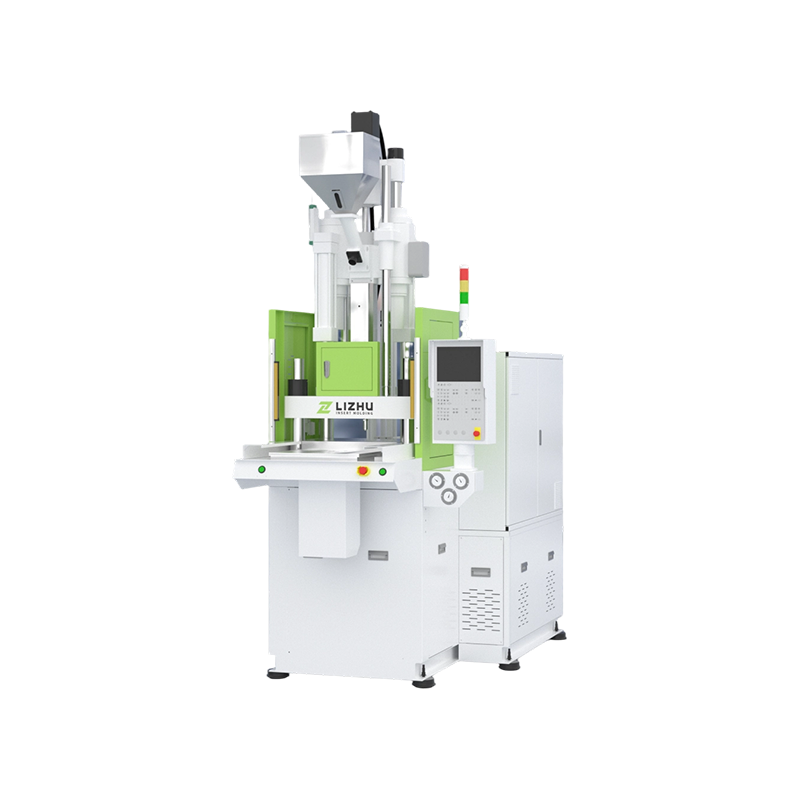
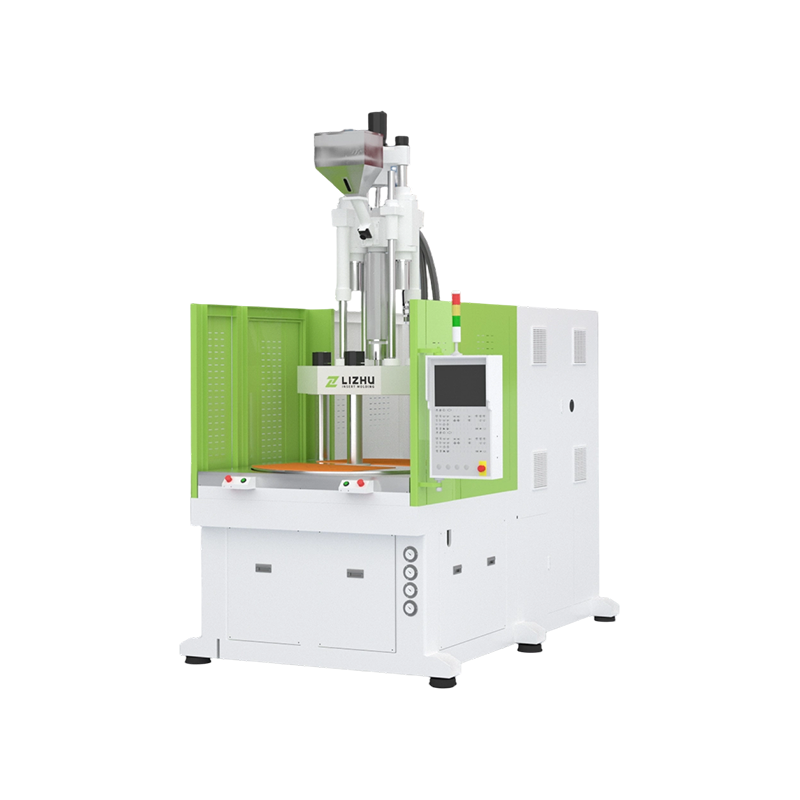
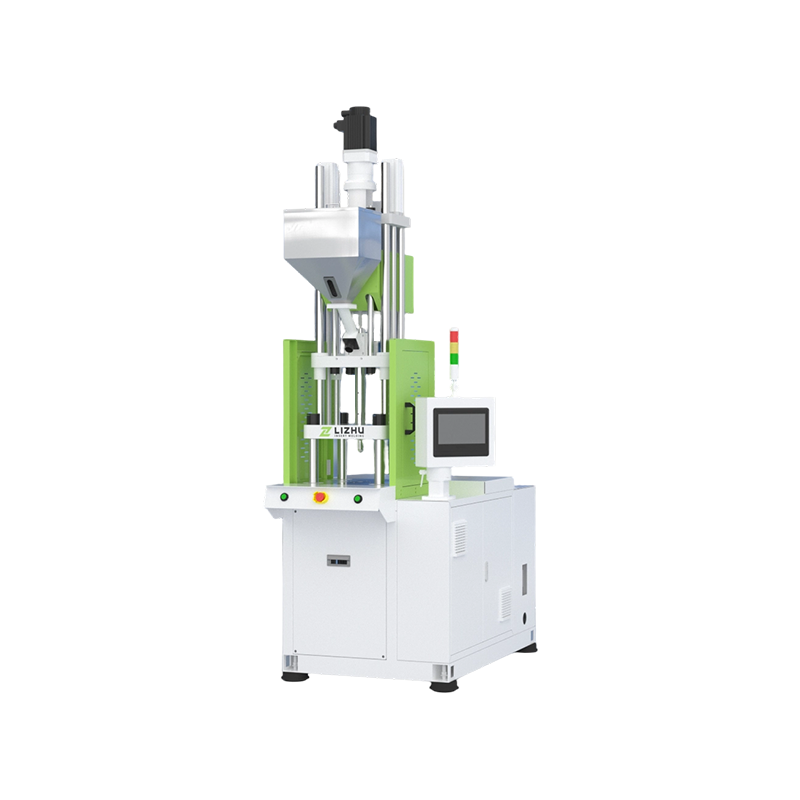
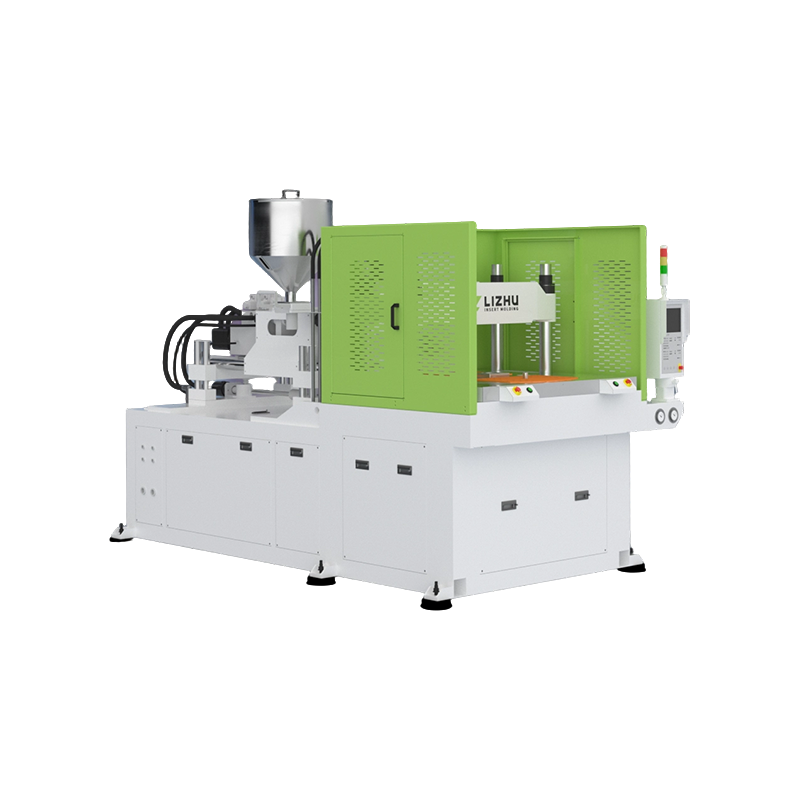
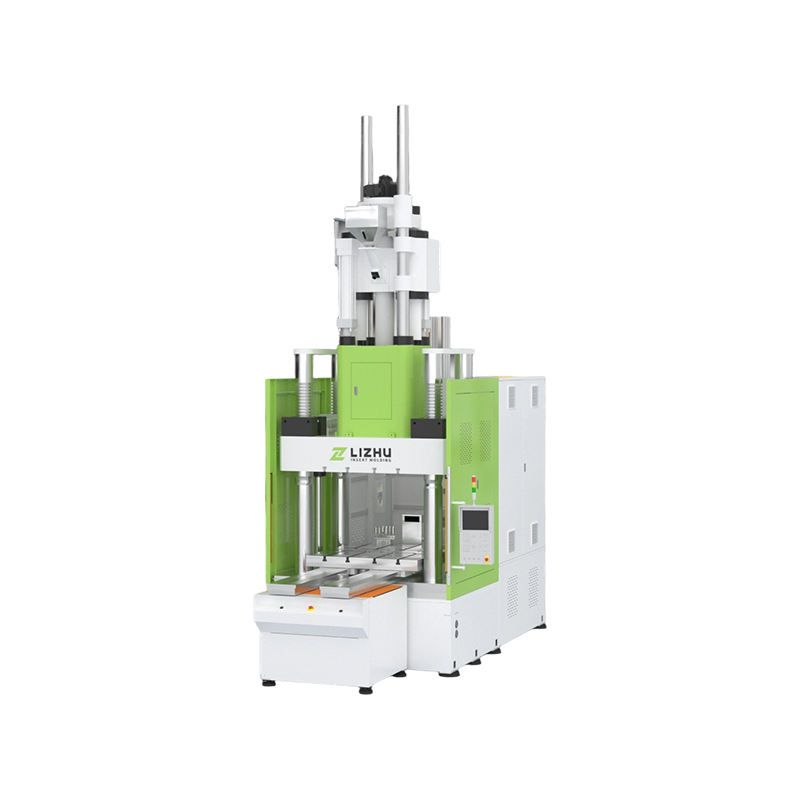
A เครื่องฉีดขึ้นรูปไฮดรอลิก remains the most widely installed injection molding platform globally because it delivers unmatched clamping force, superior tolerance for abrasive and high-viscosity resins, and lower upfront capital cost than all-electric alternatives — making it the default choice for heavy-part, thick-wall, and large-volume plastic production across the automotive, packaging, and construction sectors.
Despite the growing visibility of all-electric injection molding machines, the hydraulic platform continues to account for the majority of global installed capacity. According to a 2024 market analysis by Mordor Intelligence, the global injection molding machine market was valued at USD 12.7 billion in 2023, with hydraulic and hybrid hydraulic systems representing approximately 58% of all units in active industrial use . In developing markets, that share climbs above 70%.
บทความนี้จะอธิบายอย่างชัดเจนถึงวิธีการ เครื่องฉีดขึ้นรูปไฮดรอลิก works, which applications it is best suited for, how it compares to electric and hybrid alternatives, and what specifications matter most when selecting one for your production line.
How Does a ไฮดรอลิก Injection Molding Machine Work?
A เครื่องฉีดขึ้นรูปไฮดรอลิก uses pressurized hydraulic oil — driven by an electric motor and hydraulic pump — to power all core machine functions: clamping, injection, holding, cooling, and ejection. The hydraulic system acts as a centralized power transmission medium, converting rotary motor energy into precisely controlled linear and rotary force at each actuator.
The operating cycle of a เครื่องฉีดขึ้นรูปไฮดรอลิก follows five sequential phases:
- Mold Closing and Clamping: The hydraulic clamping cylinder closes the two mold halves and builds clamp tonnage (typically 50–5,000 tons) to resist injection pressure. Hydraulic toggle mechanisms multiply the cylinder force by 20–40x, enabling high clamp forces from relatively compact cylinders.
- Plasticization (Screw Recovery): The rotating screw conveys, compresses, and melts plastic granules. A hydraulic motor drives the screw rotation; a back-pressure valve controls melt density.
- Injection: The hydraulic injection cylinder pushes the screw forward, injecting molten plastic into the mold cavity at pressures of 800–2,500 bar. Flow rate is controlled by a proportional hydraulic valve.
- Holding (Pack and Hold): After cavity fill, a lower holding pressure (typically 30–60% of injection pressure) is maintained to compensate for volumetric shrinkage as the part cools.
- การระบายความร้อน การเปิดแม่พิมพ์ และการดีดออก: The part cools to a stable temperature; hydraulic actuators open the mold and activate ejector pins to release the finished part.
Core Hydraulic System Components
- Hydraulic Pump: Fixed-displacement vane pumps are standard on entry-level machines; variable-displacement piston pumps (load-sensing type) are used on premium models to reduce energy consumption during idle phases by up to 30%.
- Proportional Valve System: Electrohydraulic proportional valves enable closed-loop pressure and flow control, giving modern hydraulic machines repeatability comparable to servo-electric systems on many metrics.
- Oil Cooling Circuit: Hydraulic oil must be maintained at 35–55°C for stable viscosity. Water-cooled oil-to-water heat exchangers are standard; air-blast coolers are used in water-scarce installations.
- Accumulator (on high-speed machines): A nitrogen-charged hydraulic accumulator stores pressurized oil for high-speed injection events, enabling injection fill times below 0.3 seconds for thin-wall applications.
- Servo Hydraulic Upgrade (optional): Replacing the fixed-speed motor with a servo motor driving the hydraulic pump creates a "servo-hydraulic" system — retaining full hydraulic force capability while cutting energy use by 40–70%.
Which Applications Are Best Suited for a Hydraulic Injection Molding Machine?
Hydraulic injection molding machines are the dominant choice for large-part production, high-tonnage clamping, and processing of abrasive or filled resins — applications where the raw force density and durability of hydraulics outweigh the energy efficiency advantage of all-electric machines.
| อุตสาหกรรม | Typical Parts | Clamp Force Required | Why Hydraulic Wins |
| ยานยนต์ | Bumpers, dashboards, door panels | 800–3,500 tons | Large projected area; glass-filled resins |
| บรรจุภัณฑ์ | Crates, pallets, buckets, caps | 200–2,000 tons | ความทนทานต่อวงจรสูง low part cost |
| การก่อสร้าง | Pipe fittings, junction boxes, formwork | 500–5,000 ตัน | ผนังหนา mineral-filled PP/PA |
| เกษตรกรรม | Irrigation parts, fertilizer trays | 300–1,200 tons | Recycled/contaminated resin tolerance |
| สินค้าอุปโภคบริโภค | เก้าอี้ ภาชนะเก็บของ ของเล่น | 200–800 tons | ต่ำ capital cost; flexible tooling |
| Electrical / Industrial | สิ่งห่อหุ้ม ตัวเรือนสายเคเบิล แผง | 150–600 tons | Multi-material; insert molding capability |
Table 1: Key industries, typical applications, and reasons for choosing hydraulic injection molding machines over electric alternatives.
How Does a Hydraulic Injection Molding Machine Compare to Electric and Hybrid Models?
In a direct head-to-head comparison, เครื่องฉีดขึ้นรูปไฮดรอลิกs lead on clamping force ceiling, purchase price, and material versatility, while all-electric machines outperform them on energy efficiency and precision for small, tight-tolerance parts. Hybrid servo-hydraulic systems occupy a compelling middle ground.
| พารามิเตอร์ | Hydraulic | ไฟฟ้าทั้งหมด | Servo-Hydraulic (Hybrid) |
| Max Clamp Force | Up to 10,000 tons | Up to 650 tons (typical) | Up to 4,000 tons |
| การใช้พลังงาน | Baseline (100%) | 30–50% of hydraulic | 40–65% of hydraulic |
| Purchase Price (500t) | USD 80,000–150,000 | USD 180,000–320,000 | USD 120,000–220,000 |
| การทำซ้ำ (น้ำหนักช็อต CV%) | 0.5–1.5% | 0.1–0.3% | 0.2–0.6% |
| ความทนทานต่อเรซินที่มีฤทธิ์กัดกร่อน | ยอดเยี่ยม | Limited (ballscrew wear) | ดี |
| Hydraulic Oil Required | Yes (300–1,000 L) | ไม่ | Yes (reduced volume) |
| Cleanroom Suitability | Limited (oil mist risk) | ISO Class 7–8 capable | With mitigation measures |
| Maintenance Cost (annual) | Medium (oil, seals, filters) | ต่ำ (ไม่มีระบบไฮดรอลิก) | ต่ำ-ปานกลาง |
| ระดับเสียงรบกวน (เดซิเบล) | 72–85 dB | 58–68 dB | 62–72 dB |
Table 2: Comparative performance parameters for hydraulic, all-electric, and servo-hydraulic injection molding machines. Data compiled from EUROMAP technical standards and industry equipment specifications (2024).
The data reveals a clear strategic picture: for parts requiring more than 650 tons of clamp force, hydraulic remains the only practical platform. For precision micro-parts or cleanroom medical applications below 200 tons, all-electric is superior. For everything in between — which is most industrial production — the servo-hydraulic hybrid offers the best total cost of ownership over a 10-year production horizon.
What Specifications Matter มากที่สุด When Buying a Hydraulic Injection Molding Machine?
ข้อกำหนดที่สำคัญที่สุดหกประการสำหรับ เครื่องฉีดขึ้นรูปไฮดรอลิก are clamping force, injection unit size, tie-bar spacing, injection pressure, dry cycle time, and hydraulic system type — each directly determining which parts can be run and at what economic efficiency.
1. Clamping Force (Tonnage)
Clamping force is the machine's primary classification parameter, expressed in metric tons (t) or kilonewtons (kN). The required clamp force is calculated as: Clamp Force (t) = Projected Part Area (cm²) × Cavity Pressure (t/cm²) . For standard PP and PE resins, cavity pressure is typically 0.3–0.5 t/cm²; for PC, PA66-GF30, and ABS, it rises to 0.5–0.8 t/cm². Always add a 15–20% safety margin above the calculated minimum to ensure complete cavity fill and dimensional stability.
2. Injection Unit Size (Shot Volume and Screw Diameter)
The injection unit must be sized so that each production shot consumes 20–80% of the screw's theoretical shot volume. Operating below 20% causes excessive resin residence time and thermal degradation; above 80%, pressure losses rise and fill control deteriorates. Screw L/D ratios of 20:1 to 24:1 are standard for general-purpose resins; heat-sensitive materials (PVC, POM) require 18:1 or shorter.
3. Tie-Bar Spacing (Platen Gap)
Tie-bar spacing determines the maximum mold width that can be installed. Mold width should be at least 30–50 mm smaller than tie-bar spacing on each side to allow safe mold installation. For automotive bumper molds (often 1,200–1,600 mm wide), tie-bar spacings of 1,600–2,200 mm are required, pointing directly to machines in the 1,500–3,500 ton range.
4. Maximum Injection Pressure
มาตรฐาน เครื่องฉีดขึ้นรูปไฮดรอลิกs operate at injection pressures of 1,400–2,200 bar. High-performance models with accumulators can reach 2,500 bar for thin-wall or long-flow applications. Engineering resins such as liquid crystal polymer (LCP) and long-fiber-reinforced nylon may require sustained pressures above 2,000 bar — a specification that eliminates many entry-level hydraulic machines from consideration.
5. Dry Cycle Time
Dry cycle time (the time to complete one mold open-close cycle without injection) is a proxy for machine mechanical speed. For a 500-ton hydraulic machine, a competitive dry cycle time is under 4.5 seconds. A machine with a dry cycle above 6 seconds on a 500-ton frame will create cycle time bottlenecks in applications where part cooling time is under 12 seconds.
6. Hydraulic System Type: Fixed-Pump vs. Variable-Pump vs. Servo-Hydraulic
Fixed-displacement vane pump systems are the lowest-cost option but consume full motor power throughout the cycle, even during cooling when no hydraulic flow is needed. Variable-displacement piston pumps reduce energy use by 15–25% by matching pump output to demand. Servo-hydraulic systems — using a servo motor to drive the pump at variable speed — achieve 40–70% energy reduction versus fixed-pump machines, with payback periods typically below 3 years at two-shift operation (source: Plastics Technology, 2023).
What Are the Real Energy Costs of Running a Hydraulic Injection Molding Machine?
Energy is the largest variable operating cost for a เครื่องฉีดขึ้นรูปไฮดรอลิก , typically representing 60–75% of total operating cost excluding raw material. Understanding consumption by cycle phase allows targeted optimization.
| Cycle Phase | Energy Share (Fixed Pump) | Energy Share (Servo-Hydraulic) | Optimization Potential |
| Plasticization | 30–35% | 28–32% | Low (screw work is essential) |
| Injection and Holding | 20–25% | 18–22% | Medium (accumulator helps) |
| Clamping (open/close) | 15–20% | 10–14% | High (servo speed matching) |
| Cooling (idle pump) | 20–30% | 2–5% | Very High (biggest saving) |
| Ejection | 3–6% | 2–4% | Low |
Table 3: Energy consumption breakdown by cycle phase for fixed-pump hydraulic vs. servo-hydraulic injection molding machines. Source: EUROMAP 60.1 energy measurement methodology, 2023.
The most impactful single upgrade is addressing idle-phase energy waste. On a fixed-pump machine with a 20-second cycle, the pump runs at full power for approximately 8–10 seconds of cooling during which no hydraulic work is performed. A servo-hydraulic drive reduces pump speed to near-zero during this phase, eliminating 20–30% of total machine energy draw. For a 200 kW rated machine running two shifts at USD 0.12/kWh, this translates to savings of USD 18,000–28,000 per year per machine .
How to Maintain a Hydraulic Injection Molding Machine for Maximum Uptime
Proactive maintenance of a เครื่องฉีดขึ้นรูปไฮดรอลิก can achieve overall equipment effectiveness (OEE) above 85%, while neglected machines typically drop below 65% OEE within three years due to oil contamination, seal degradation, and valve spool wear. The single most important maintenance action is hydraulic oil quality management.
Hydraulic Oil Management
- Maintain ISO cleanliness class 16/14/11 or better (per ISO 4406). Contamination above class 18/16/13 accelerates proportional valve wear by a factor of 3–5x.
- เก็บตัวอย่างน้ำมันทุกๆ 500 ชั่วโมงการทำงานเพื่อวิเคราะห์จำนวนอนุภาค ความหนืด และปริมาณน้ำ เปลี่ยนน้ำมันหากความหนืดเบี่ยงเบนไปจากข้อกำหนดมากกว่า 10% หรือมีปริมาณน้ำเกิน 0.1%
- Replace return-line filters every 1,000 hours or when the differential pressure indicator signals bypass — whichever comes first.
- Maintain oil temperature at 40–50°C during operation. Oil above 65°C degrades additive packages, accelerates seal wear, and reduces viscosity below the minimum required for reliable valve operation.
Preventive Maintenance Schedule
| ช่วงเวลา | งาน | เกณฑ์การยอมรับ |
| รายวัน | Check oil level, temperature, and alarm log; inspect for hydraulic leaks | Oil at midpoint sight glass; ไม่มีการรั่วไหลที่ใช้งานอยู่ |
| รายสัปดาห์ | Inspect cylinder rod seals; clean air vents on oil tank; check tie-bar lubrication | No weeping seals; ช่องระบายอากาศไม่มีสิ่งกีดขวาง |
| รายเดือน | การวิเคราะห์ตัวอย่างน้ำมัน test safety door interlocks; check heat exchanger flow | ISO 16/14/11 หรือสะอาดกว่า interlocks function within 0.5s |
| รายไตรมาส | Replace return-line filters; inspect screw and barrel wear; calibrate pressure transducers | Screw flight clearance within OEM spec; pressure error below ±1% |
| เป็นประจำทุกปี | เปลี่ยนถ่ายน้ำมันเครื่องเต็ม; pump efficiency test; proportional valve cleaning and calibration | Pump volumetric efficiency above 92%; valve hysteresis below 1% |
| Every 5 Years | Replace all hydraulic hoses; overhaul main pump and clamp cylinder seals | Restore to original performance specification |
ตารางที่ 4: ตารางการบำรุงรักษาเชิงป้องกันสำหรับเครื่องฉีดขึ้นรูปไฮดรอลิกที่ทำงานในตารางการผลิตแบบสองกะ
อะไรคือข้อผิดพลาดที่พบบ่อยที่สุดในเครื่องฉีดขึ้นรูปไฮดรอลิก และจะแก้ไขได้อย่างไร
The five most common faults in เครื่องฉีดขึ้นรูปไฮดรอลิกs account for over 80% of unplanned downtime, and all five are preventable with proper oil management, scheduled maintenance, and operator training.
- Slow or Erratic Clamp Closing (Root Cause: Oil Contamination or Proportional Valve Wear): อนุภาคในแกนวาล์วตามสัดส่วนของน้ำมัน ทำให้เกิดฮิสเทรีซิสและการตอบสนองที่เชื่องช้า วิธีแก้ปัญหา: เก็บตัวอย่างน้ำมัน เปลี่ยนตัวกรอง ทำความสะอาดหรือเปลี่ยนแกนวาล์วที่ได้รับผลกระทบ Average repair time: 2–4 hours.
- Inconsistent Shot Weight (Root Cause: Check Valve Wear in Screw Tip): วาล์วกันไหลกลับที่ชำรุดช่วยให้ของเหลวไหลย้อนกลับระหว่างการฉีด ช่วยลดความสม่ำเสมอของการฉีด สัญญาณรวมถึงการเปลี่ยนแปลงของน้ำหนักชิ้นส่วนที่สูงกว่า 1.5% CV Resolution: replace screw tip assembly. ราคา: 800–3,500 เหรียญสหรัฐ ขึ้นอยู่กับเส้นผ่านศูนย์กลางของสกรู
- น้ำมันร้อนจัดเกิน 65°C (สาเหตุที่แท้จริง: ตัวแลกเปลี่ยนความร้อนที่เปรอะเปื้อนหรือแรงดันย้อนกลับขนาดใหญ่เกินไป): การสะสมของตะกรันที่ด้านน้ำของออยล์คูลเลอร์ทำให้ประสิทธิภาพการถ่ายเทความร้อนลดลงสูงสุดถึง 60% Resolution: acid-flush the heat exchanger; verify cooling water flow rate. ตรวจสอบการตั้งค่าแรงดันต้านด้วย — แรงดันต้านที่มากเกินไปทำให้เกิดความร้อนจากการเสียดสีอย่างมากในสกรู
- การรั่วไหลของซีลกระบอกไฮดรอลิก (สาเหตุที่แท้จริง: ความล้าในรอบสูงหรือน้ำมันที่ปนเปื้อน): ซีลก้านบนกระบอกสูบแบบแคลมป์มีอายุการใช้งานโดยทั่วไป 8,000–15,000 ชั่วโมงการทำงานภายใต้สภาพน้ำมันที่สะอาด น้ำมันที่ปนเปื้อนจะลดลงเหลือ 2,000–4,000 ชั่วโมง การเปลี่ยนซีลเป็นงานบำรุงรักษาตามแผน 4-8 ชั่วโมงต่อกระบอกสูบ
- เสียงคาวิเทชั่นของปั๊ม (สาเหตุหลัก: ระดับน้ำมันต่ำ การกลืนอากาศ หรือการสตาร์ทขณะเครื่องเย็น): การเกิดโพรงอากาศทำให้เกิดเสียงสั่นความถี่สูงที่โดดเด่นจากปั๊ม และทำให้ปั๊มสึกหรออย่างรวดเร็ว Resolution: check oil level, inspect suction line for air entry points, and implement a 3–5 minute warm-up idle routine at startup in ambient temperatures below 15°C.
คำถามที่พบบ่อยเกี่ยวกับเครื่องฉีดขึ้นรูปไฮดรอลิก
Q: How long does a hydraulic injection molding machine last?
มีการบำรุงรักษาอย่างดี เครื่องฉีดขึ้นรูปไฮดรอลิก จากผู้ผลิตที่มีชื่อเสียงมักจะให้บริการด้านการผลิตเป็นเวลา 15–25 ปี โดยทั่วไประบบไฮดรอลิก (ปั๊ม วาล์ว กระบอกสูบ) จะต้องมีการยกเครื่องครั้งใหญ่ที่ระยะเวลา 8-12 ปี โครงเครื่องจักร แท่นวาง และแถบรัดได้รับการออกแบบมาเพื่ออายุการใช้งานของอุปกรณ์เต็มรูปแบบ โดยทั่วไปชุดสกรูและกระบอกจะต้องเปลี่ยนทุกๆ 3-7 ปี ขึ้นอยู่กับการเสียดสีของเรซิน
Q: What type of hydraulic oil should be used?
Most เครื่องฉีดขึ้นรูปไฮดรอลิกs ได้รับการออกแบบมาสำหรับน้ำมันไฮดรอลิกป้องกันการสึกหรอ (ประเภท HM, ISO VG 46 หรือ ISO VG 68) ISO VG 46 เป็นมาตรฐานสำหรับอุณหภูมิแวดล้อม 15–35°C; ISO VG 68 is preferred for machines in environments above 35°C or machines with large oil volumes that warm slowly. ตรวจสอบข้อกำหนดเฉพาะของ OEM เสมอก่อนเปลี่ยนเกรดน้ำมัน เนื่องจากการผสมสารเติมแต่งที่แตกต่างกันอาจทำให้เกิดฟองและตะกอนได้
Q: Can a hydraulic injection molding machine process recycled plastics?
ใช่ และนี่คือหนึ่งในข้อได้เปรียบที่สำคัญของเครื่องจักรไฮดรอลิกเหนือรุ่นไฟฟ้าทั้งหมด The robust hydraulic drive tolerates the higher process variability inherent in recycled resins — including viscosity fluctuations, contamination, and inconsistent melt flow index — without the precision mechanical components (ballscrews, servo axes) that can be damaged by abrasive recycled content. With a hardened barrel and screw, a เครื่องฉีดขึ้นรูปไฮดรอลิก สามารถแปรรูป PP และ HDPE ที่ผ่านการบริโภคแล้วในระดับอุตสาหกรรมได้
ถาม: คุ้มค่าที่จะติดตั้งเครื่องจักรไฮดรอลิกเก่าที่มีเซอร์โวไดรฟ์หรือไม่
For machines in good mechanical condition with less than 12 years of service, a servo-hydraulic retrofit typically delivers a payback period of 18–36 months at two-shift production rates. ชุดติดตั้งเพิ่มเติมจะแทนที่มอเตอร์ความเร็วคงที่และปั๊มแบบเปลี่ยนตำแหน่งคงที่ด้วยเซอร์โวมอเตอร์และปั๊มแบบเปลี่ยนตำแหน่ง Installation typically takes 2–3 days. การประหยัดพลังงานโดยทั่วไปที่ 40–60% คุ้มค่ากับการลงทุนเมื่อใดก็ตามที่เครื่องจักรมีอายุการใช้งานเกิน 5 ปี
ถาม: การออกแบบแคลมป์สลับและแคลมป์ไฮดรอลิกโดยตรงแตกต่างกันอย่างไร
Toggle clamp designs use a mechanical linkage to amplify cylinder force, achieving high clamp tonnage with a smaller cylinder and faster dry cycle times. They are standard on machines up to approximately 2,000 tons. Direct hydraulic clamp (also called full hydraulic clamp) applies force directly from one or more large hydraulic cylinders — offering more consistent clamp force distribution across the mold face and simpler adjustment for different mold heights. Direct hydraulic designs are preferred for molds requiring highly uniform clamping, such as large multi-cavity optical or surface-finish-critical parts.
ถาม: มาตรฐานความปลอดภัยที่ใช้กับเครื่องฉีดขึ้นรูปไฮดรอลิกมีอะไรบ้าง?
ในยุโรป เครื่องฉีดขึ้นรูปไฮดรอลิกs must comply with EN ISO 20430:2021 (Safety Requirements for Plastics and Rubber Machinery — Injection Moulding Machines), which covers safety guards, emergency stops, hydraulic pressure relief, and CE marking. In North America, ANSI/SPI B151.1 applies. ในประเทศจีน GB 22530 เป็นมาตรฐานแห่งชาติที่เกี่ยวข้อง All modern machines should include safety category 3 or 4 emergency stop circuits per ISO 13849-1 and hydraulic pressure relief valves set no more than 10% above system working pressure.
Conclusion: The Strategic Case for the Hydraulic Injection Molding Machine in Modern Manufacturing
การเล่าขานว่าเทคโนโลยีไฮดรอลิกล้าสมัยในการฉีดขึ้นรูปไม่ได้รับการสนับสนุนจากความเป็นจริงทางอุตสาหกรรม ที่ เครื่องฉีดขึ้นรูปไฮดรอลิก remains the only platform capable of delivering more than 1,000 tons of clamping force at commercially viable capital cost — a capability that cannot be replicated by electric alternatives at any price point today. สำหรับภาคยานยนต์ การก่อสร้าง และบรรจุภัณฑ์ขนาดใหญ่ นี่ไม่ใช่ตัวเลือกแบบเดิมๆ it is an engineering necessity.
At the same time, the evolution of servo-hydraulic drives, variable-displacement pumps, closed-loop proportional control, and smart oil monitoring has transformed the เครื่องฉีดขึ้นรูปไฮดรอลิก จากอุปกรณ์ที่ใช้พลังงานมากไปสู่แพลตฟอร์มการผลิตที่มีความแม่นยำและคำนึงถึงพลังงาน ช่องว่างด้านประสิทธิภาพระหว่างเครื่องจักรไฮดรอลิกและไฟฟ้าในด้านพลังงานและการวัดความสามารถในการทำซ้ำนั้นแคบลงในแต่ละรุ่น
The right decision framework is not hydraulic versus electric — it is matching the right technology to the specific requirements of your parts, materials, production volume, and 10-year cost horizon. สำหรับการใช้งานที่มีน้ำหนักมาก เรซินที่มีฤทธิ์กัดกร่อน หรือชิ้นส่วนขนาดใหญ่ เซอร์โวสมัยใหม่ เครื่องฉีดขึ้นรูปไฮดรอลิก แสดงถึงการผสมผสานที่ดีที่สุดของขีดความสามารถด้านกำลัง ต้นทุนรวมในการเป็นเจ้าของ และความแข็งแกร่งในการปฏิบัติงานที่มีอยู่ในปัจจุบัน